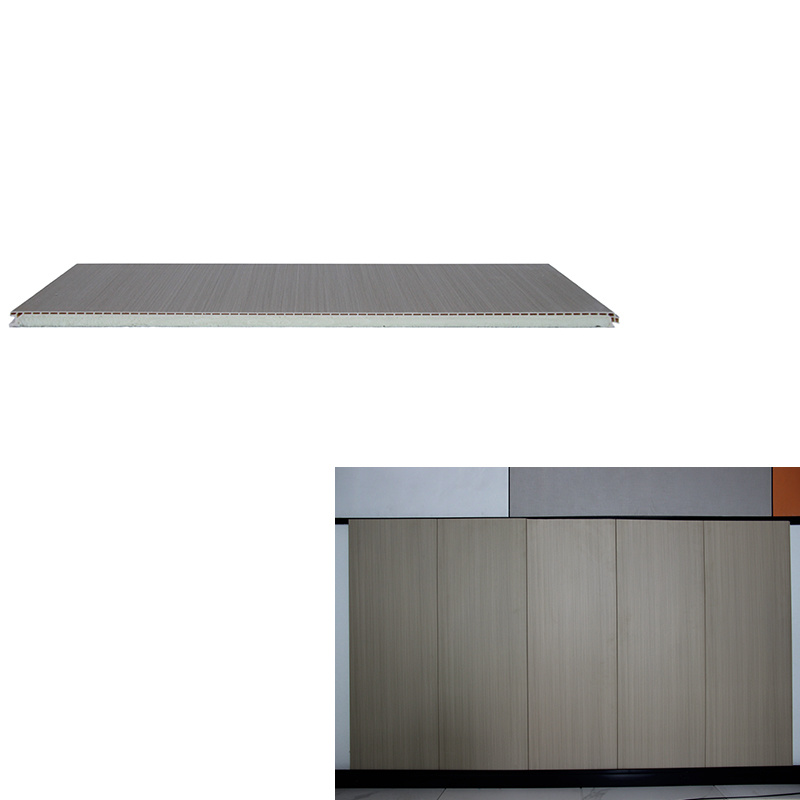


In the wave of transformation sweeping through the construction industry toward low-carbonization, industrialization, and intelligentization, the “integrated thermal insulation structural shear wall,” with its advantages of functional integration, integrated construction, and long-lasting performance, has emerged as a pioneer in building wall technology, achieving a deep integration of thermal insulation systems and structural frameworks.
I. Structural Analysis: Layered Design, Performance Synergy
Outer thermal insulation protection system: a 100mm-thick AB composite panel with a thermal conductivity of ≤0.035 W/(m·K). This panel not only boasts highly efficient thermal insulation performance but also passes the impact resistance test (≥3.0 J), enabling it to withstand external forces and prevent damage to the insulation layer, thereby reducing building energy losses at the source.

Intermediate structural force system: A shear wall structure formed by using an HRB400-grade rebar cage tied together with concrete of C30 strength or higher can meet the seismic design requirements for 8-degree earthquake resistance specified in the "Code for Seismic Design of Buildings," thereby providing the building with core load-bearing capacity.
Inner-layer functional protection system: High-density cement fiberboard (density ≥ 1.2 g/cm³), with fire resistance rating of Class A and sound insulation performance of ≥ 45 dB. It also features moisture and mold resistance, providing a comfortable and safe physical barrier for indoor spaces.
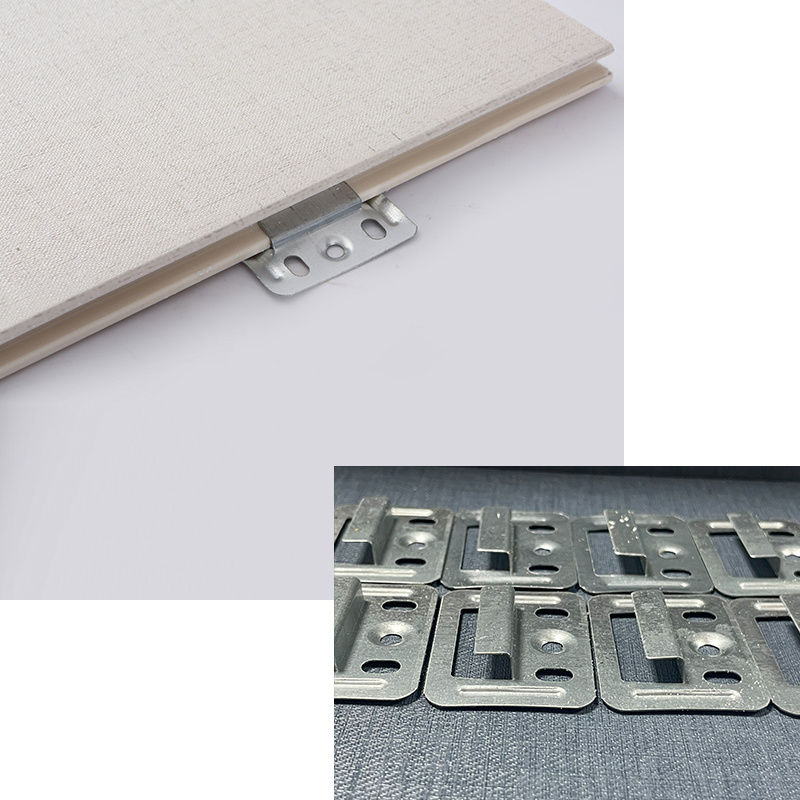
Connection and Anchoring System: Specialized metal connectors (with tensile bearing capacity ≥ 1.0 kN) reliably link each layer together, ensuring that the insulation layer and structural layer remain free from the risk of hollowing or detachment under temperature-induced deformation and seismic effects, thereby achieving “equal service life for structure and insulation.”
II. Technological Advantages: Breaking Through Traditional Limitations Across All Dimensions
| Comparison dimension | Traditional thermal insulation + shear wall construction method | Integrated thermal insulation shear wall |
| Energy-saving effect | Energy-saving rate is around 65%, and the insulation layer is prone to aging and shedding. | Energy-saving rate ≥ 75%, and the insulation system has the same lifespan as the building. |
| Structural safety | Poor thermal insulation and unreliable structural connections result in weak seismic resistance. | Integrated force-bearing, significantly enhanced seismic performance. |
| Construction period | Phased construction with a long construction period. | Synchronized construction reduces the project duration by 35%. |
| Total cost | High post-maintenance costs | No post-maintenance required, reducing lifecycle costs by 20%. |
III. Product Applications:
1. Residential sector:
Core Value: By integrating shear walls, we’ve achieved an exterior wall energy-saving rate of 78%, with the indoor-outdoor temperature difference in winter kept above 12°C. There have been no complaints about hollow sounds or cracks in the exterior walls, and owner satisfaction has reached 98%.
2. Public buildings:
Core Value: The wall’s fire-resistance rating reaches 3.5 hours, meeting building fire safety standards; its sound insulation performance ensures noise levels are ≤35 dB, creating a quiet and serene environment.
3. Industrial buildings:
Core Value: The shear walls’ load-bearing capacity meets the 5 t/m² equipment load requirement, while temperature fluctuations within the workshop are kept within ±3℃, ensuring stable precision manufacturing processes. The construction period is shortened by 40 days compared to conventional methods, enabling early production commencement.
The core innovation of the integrated thermal insulation structural shear wall.
Functionally Integrated Design
Breaking through the technical bottleneck of the traditional wall system—where thermal insulation and structural functions are separated—we have integrated three core functions—thermal insulation, load-bearing capacity, and fire resistance—into a single wall system, achieving “multi-functionality in one wall.” This fundamentally addresses the industry’s longstanding pain points associated with conventional construction methods, such as the easy detachment and hollowing of insulation layers.
Multilayer composite structural system
The composite structure—comprising an outer protective layer (10 cm AB composite panel) + a structural core layer (reinforced concrete skeleton) + an inner protective layer (high-strength cement-fiber board)—relies on a specialized component connection system to ensure synergistic load distribution among the layers. This structure offers multiple superior performance characteristics, including high thermal insulation efficiency (low thermal conductivity), impact resistance, fire resistance (Class A), and moisture resistance.
Innovative Synchronized Construction Techniques
An innovative integrated construction approach has been adopted, in which the insulation layer is simultaneously cast with the wall structure. This reduces the number of cross-operation procedures from 12 in traditional methods to just one, shortening the construction period by 35% (from 60 days to 39 days), and cutting labor costs by 25%. As a result, both construction efficiency and engineering quality have been significantly improved.
Full Lifecycle Performance Optimization
Through material selection—such as AB composite panels and fire-resistant cement fiberboards—and innovative structural design, the service life of the thermal insulation system is synchronized with that of the building’s main structure (≥50 years, compared to only 15 years for conventional methods), reducing full-cycle maintenance costs by 90% and cutting overall 20-year costs by 40% relative to traditional methods.
Synergistic Enhancement of Structural Safety and Energy Efficiency
The integrated structural design enables seismic resistance to a magnitude of 8 (compared to the traditional 6), and boosts wind-pressure resistance to C5 level. At the same time, energy savings reach as high as 75%—a 30% improvement over conventional methods—achieving a dual breakthrough in both safety and energy efficiency. Choosing insulated structural-integrated shear walls means opting for the most cost-effective solution throughout the building’s entire lifecycle—using innovative technology to break the industry’s longstanding dilemma that “energy efficiency and safety cannot be achieved simultaneously,” thereby infusing urban buildings with genes of greenness, durability, and high efficiency.
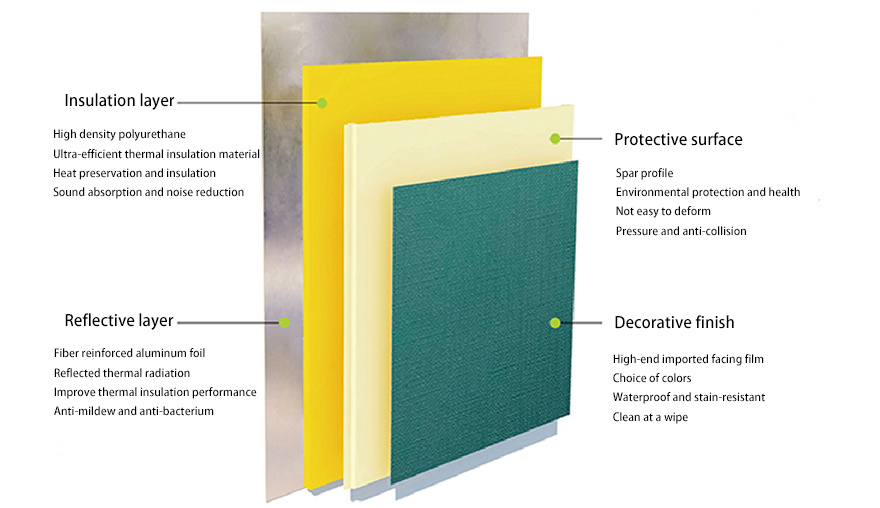
Product structure drawing
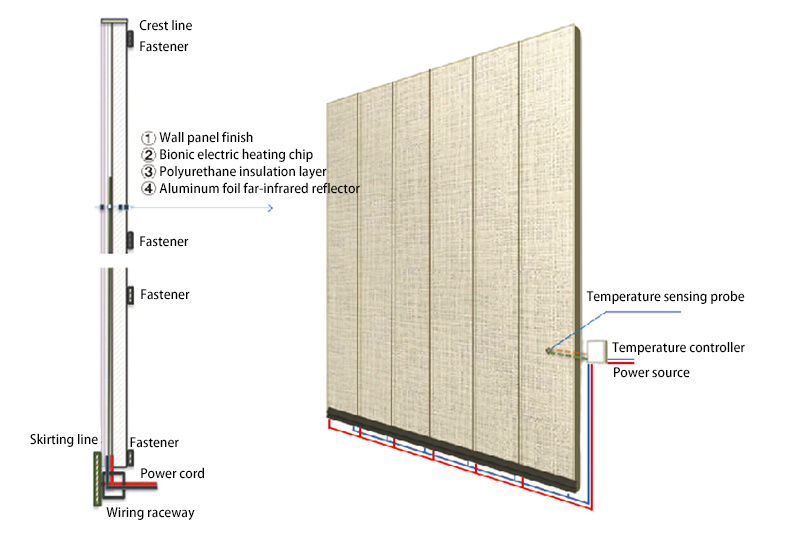
Prefabricated Heating Wall Panel
Six advantages of products
Heat preservation and insulation
Winter insulation, summer insulation, improve the quality of life, reduce heating costs and air conditioning costs.
Sound absorption and noise reduction
Polyurethane is a typical porous sound absorbing material, which can effectively reduce noise and make the room quieter.
Environmental protection rest assured
Quality environmental protection raw materials, no formaldehyde, decoration more assured.
Fire safety
B1 class flame retardant material, self-extinguishing from fire, no fire hazard.
Moisture and dirt resistance
No water absorption, no mold, no deterioration, easy to clean, resistant to wipe.
Dry installation
Special mounting parts dry installation, simple construction, fast speed.
Shop shoot

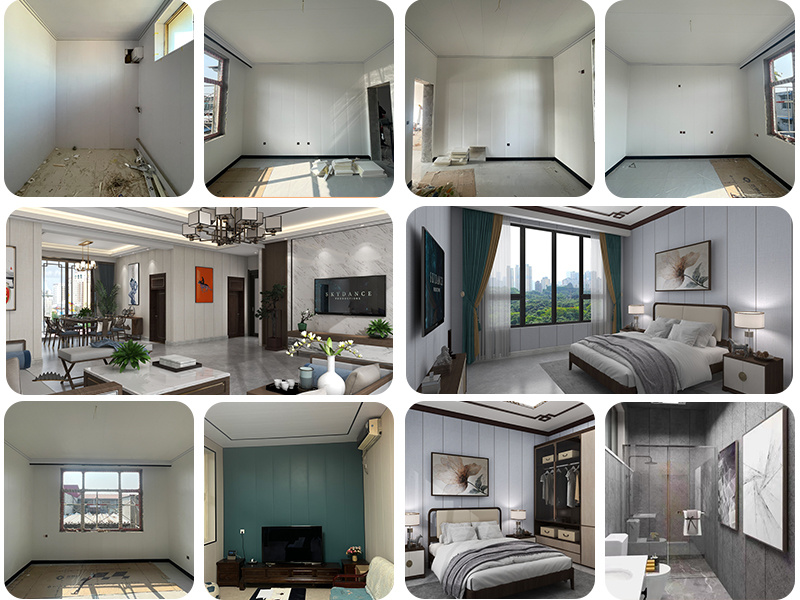
Application case
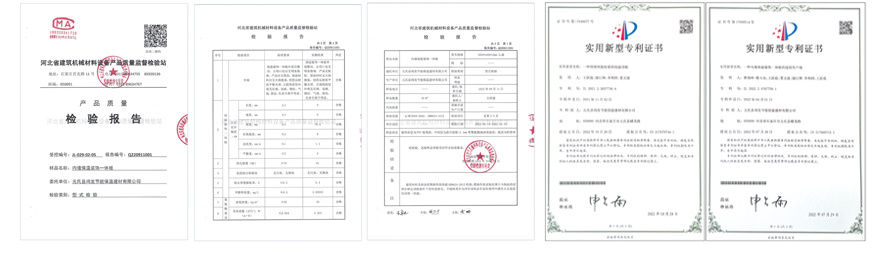
Qualification honor
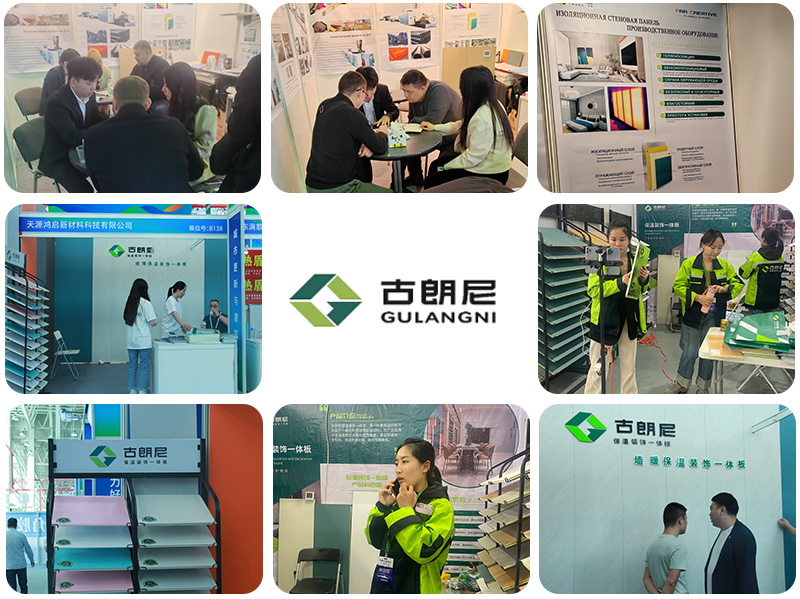
Exhibition information
Keywords
Integrated thermal insulation shear wall
Contact Us
Classification